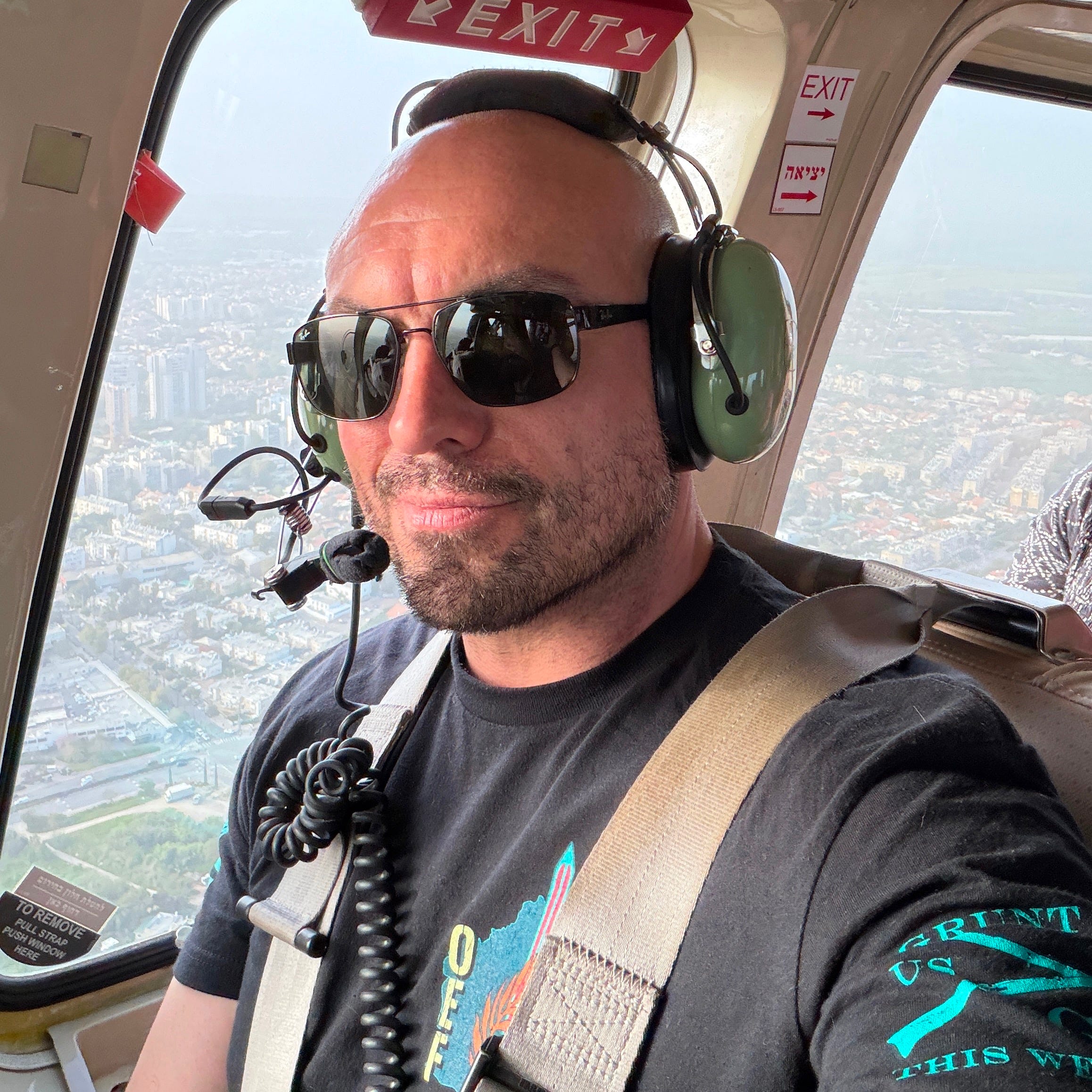
Curious if these postings by former Para and British combat veteran, Andrew Fox, are of interest to the bubbas.
Andy
From:
Sent: Tuesday, July 14, 2026 1:19 AM
To: undisclosed-recipients:
Subject: Fwd: Iran update: the bombing expands. The deadlock holds.
---------- Forwarded message ---------
From: Andrew Fox from Fox On War <mrandrewfox@substack.com>
Date: Mon, 13 Jul 2026 at 13:59
Subject: Iran update: the bombing expands. The deadlock holds.
To: <

Washington is degrading Iran’s coastal strike network and pressing into its oil-producing regions, while Tehran keeps Hormuz, Gulf air defences and the June memorandum under pressure.
͏ ͏ ͏ ͏ ͏ ͏ ͏ ͏ ͏ ͏ ͏ ͏ ͏ ͏ ͏ ͏ ͏ ͏ ͏ ͏ ͏ ͏ ͏ ͏ ͏ ͏ ͏ ͏ ͏ ͏ ͏ ͏ ͏ ͏ ͏ ͏ ͏ ͏ ͏ ͏ ͏ ͏ ͏ ͏ ͏ ͏ ͏ ͏ ͏ ͏ ͏ ͏ ͏ ͏ ͏ ͏ ͏ ͏ ͏ ͏ ͏ ͏ ͏ ͏ ͏ ͏ ͏ ͏ ͏ ͏ ͏ ͏ ͏ ͏ ͏ ͏ ͏ ͏ ͏ ͏ ͏ ͏ ͏ ͏ ͏ ͏ ͏ ͏ ͏ ͏ ͏ ͏ ͏ ͏ ͏ ͏ ͏ ͏ ͏ ͏ ͏ ͏ ͏ ͏ ͏ ͏ ͏ ͏ ͏ ͏ ͏ ͏ ͏ ͏ ͏ ͏ ͏ ͏ ͏ ͏ ͏ ͏ ͏ ͏ ͏ ͏ ͏ ͏ ͏ ͏ ͏ ͏ ͏ ͏ ͏ ͏ ͏ ͏ ͏ ͏ ͏ ͏ ͏ ͏ ͏ ͏ ͏ ͏ ͏ ͏ ͏ ͏ ͏ ͏ ͏ ͏ ͏ ͏ ͏ ͏ ͏ ͏ ͏ ͏ ͏ ͏ ͏ ͏ ͏ ͏ ͏ ͏ ͏ ͏ ͏ ͏ ͏ ͏ ͏ ͏ ͏ ͏ ͏ ͏ ͏ ͏ ͏ ͏ ͏ ͏ ͏ ͏ ͏ ͏ ͏ ͏ ͏ ͏ ͏ ͏
You’re a paid subscriber — thank you. Today’s post is free for everyone (so you can share it widely), but your subscription is what funds the work that makes Fox On War different. Iran update: the bombing expands. The deadlock holds.Washington is degrading Iran’s coastal strike network and pressing into its oil-producing regions, while Tehran keeps Hormuz, Gulf air defences and the June memorandum under pressure.
There is too much breathless commentary about the resumption of the war between the US, Israel and Iran. It is worth pausing to assess what we actually know. The latest American strikes can no longer be considered a single retaliatory raid. CENTCOM says its 12th July wave hit dozens of targets using fighter aircraft, naval vessels, one-way attack aerial drones, and, for the first time, one-way attack sea drones. That followed approximately 140 targets struck the previous day and more than 300 across three nights. The officially stated target categories include air defence systems, coastal radars, missile and drone infrastructure, ammunition storage, communications networks, naval capabilities, and small boats. CENTCOM’s declared purpose is explicit: to dismantle Iran’s ability to attack commercial shipping through the Strait of Hormuz. We are not seeing any evidence that the plan currently goes much beyond that. The detailed target picture remains less certain than the broad operational picture. Open source reporting on targets struck includes an air-to-ground munitions site at a military base near Ahvaz, reportedly followed by a catastrophic secondary detonation; Ahvaz airport; the 92nd Armoured Division; a military complex at Khondab; explosions around Khorramshahr port; and Aghajari airport at Omidiyeh, which serves Iran’s oil and gas sector. Iranian reporting has confirmed attacks near Ahvaz and against a military base at Khondab, while Gulf News reports that Aghajari airport was hit, so we have multiple source confirmation. CENTCOM has not publicly identified these locations. Claims that the Khondab heavy-water complex itself, or a separate missile base, were struck at the same location remain unconfirmed.
Map via AMK Mapping on Telegram The open-source reporting nevertheless reveals the broad shape of the campaign. One axis follows Iran’s southern coast and the approaches to Hormuz, targeting the radars, boats, air defences, anti-ship systems and drone infrastructure that allow Tehran to threaten passing vessels. The other reaches into Khuzestan, where large military formations and logistics nodes sit amid Iran’s most important oil-producing region. We are not seeing a systematic campaign against Iranian oil infrastructure at this point. Aghajari airport is linked to the oil and gas industry, and attacks around Ahvaz and Khorramshahr bring American weapons into Iran’s energy heartland. CENTCOM’s published target lists still describe military infrastructure rather than wells, refineries, storage farms, export pipelines or terminals. A deliberate oil war would be unmistakable, particularly if it reached Kharg Island or Iran’s principal export and refining facilities. My analysis is that Washington is targeting the military system protecting Iran’s coastal economy while signalling that the oil sector can no longer assume immunity. Iran’s response demonstrates why tactical success has failed to end the war. Over the past two nights, Tehran has launched or claimed attacks on US-linked military facilities in Bahrain, Kuwait, Qatar, Jordan and Oman, while the UAE has reported threats outside or approaching its airspace. Jordan says it intercepted four Iranian missiles, although there are unconfirmed claims of impacts at Prince Hassan Airbase. Kuwait has repeatedly activated its air defences. Bahrain sounded national warning sirens, and Oman summoned the Iranian ambassador after drone attacks on its territory. Iran claims it struck helicopter facilities, a P-8 hangar and a drone command centre at Bahrain’s Sheikh Isa Air Base. Although independent confirmation of the claimed damage remains limited, footage circulating shows fires at the base. The current evidence certainly supports the occurrence of attempted attacks and possible impacts.
Possible impact in Bahrain The maritime incident is clearer. The container ship GFS Galaxy was struck off Oman and disabled, forcing its crew to abandon the vessel. Oman rescued 23 crew members, while one Indian national was reported missing. Iran says it disabled another vessel after warning ships not to use routes that had not received Iranian approval. The US-led Joint Maritime Information Center continues to report that the expanded southern passage near Oman remains available, although the threat level remains severe. The air defence exchange is still imposing costs on both sides. Each American raid destroys radars, launchers, boats and ammunition that Iran cannot quickly replace. Each Iranian salvo forces the US and Gulf states to launch defensive aircraft, disperse forces and expend interceptors against missiles and drones. Public information does not allow a reliable estimate of how close any one country is to exhausting specific interceptor stocks, but I have written about what is publicly available, here. The exchange rate still favours Iran whenever relatively cheap drones force defenders to consume scarce missiles or maintain expensive combat air patrols. Reports of Bahraini, Saudi and American fighters operating at low altitude are consistent with active drone-interception missions, while many explosions heard across the Gulf are likely intercepts or falling debris rather than successful strikes. Hormuz remains the strategic centre of the war. CENTCOM can suppress coastal systems and establish a protected route, but it cannot order merchant ships to return to the strait. Only six vessels reportedly passed through on Sunday, the lowest number in five weeks, despite Washington’s insistence that the waterway remained open. Some war-risk underwriters have advised shipowners to suspend voyages, while others are reviewing coverage and policy terms. The military can clear a lane, but insurance, crew willingness and chartering decisions determine whether that lane becomes commercially viable. The global economy remains exposed. Oil rose by roughly 4 per cent after the latest escalation, even though prices remain below wartime highs. The relative calm in energy markets reflects a partial recovery in production, alternative export routes and the assumption that another diplomatic pause will eventually emerge. That resilience has limits. Emergency stocks have already been drawn down significantly to lows not seen in decades, and governments are planning years of purchases to rebuild strategic reserves. The world economy has less shock absorption than it had when the war began. The same strategic limitation continues to define the air campaign. Air power can destroy missile sites, naval assets, headquarters, communications networks and economic nodes. It cannot seize ministries, police barracks, prisons, border crossings or the institutions through which the regime controls Iranian cities. The state can be substantially weakened while retaining enough internal coercive power to survive and enough dispersed strike capacity to retaliate abroad. A genuine regime change strategy would require an organised internal coalition, a ground mechanism capable of holding territory, and a credible plan for the morning after the government falls. Washington explored elements of such an approach earlier in the war. US officials discussed a possible operation with Iranian Kurdish armed groups, and Trump initially welcomed Kurdish intervention before publicly ruling it out (I wrote about this in depth here). Reviving that option would open a territorial phase of the war, with consequences far beyond another round of precision strikes. There is no public evidence that Washington has revived the plan, although there are some suggestions of IRCG-Kurdish skirmishes in the northwest of the country. Washington therefore faces two possible coherent political end states. The first is to pursue regime change seriously, accepting the military commitment, internal alliances and post-collapse responsibilities that come with it. The second is to negotiate another settlement with the existing regime that will carry the same distasteful compromises we saw in the June memorandum of understanding. Between those choices lies the present default of rolling coercive containment: Iran tests the limits of the agreement, the US bombs selected capabilities, Tehran retaliates against bases and shipping, and mediators reconstruct a temporary pause. The June memorandum already exposed the weakness of the negotiated route. It set a 60-day period for talks, temporarily reopened Hormuz on a limited basis, and deferred the decisive questions concerning Iran’s nuclear programme, sanctions, missiles, and the permanent administration of the strait. Its language required Iran to facilitate safe, charge-free passage during the interim period. Iranian negotiators treated that wording as implicit recognition of Tehran’s authority to regulate the waterway. The agreement contained the next dispute within its own text. A further de-escalatory agreement may halt the immediate exchange, but vague language on Hormuz will reproduce the same confrontation further down the line. Nuclear restrictions deferred to later will remain bargaining material. Economic incentives will give Tehran something to protect without removing its ability to threaten shipping when negotiations stall. Going forward, the key commercial indicators will be vessel transits and war-risk terms. These will show if the current air strikes have the desired tactical effect and whether Hormuz is genuinely reopening. Militarily, confirmed attacks on refineries, terminals or export infrastructure would mark a shift from maritime suppression to economic warfare and signal a move towards the ‘regime collapse’ option. A sustained decline in Iran’s launch tempo would suggest that attrition is beginning to constrain its options. Any movement against internal security formations or support for armed opposition groups would also signal that Washington is reconsidering regime change. Without one of those shifts, the regime will likely survive under heavier pressure, despite reports of internal regime tensions, for the simple reason that the regime maintains a monopoly on force within Iran itself. The regime will strike where it retains reach, Gulf defences will continue to consume expensive munitions, and diplomats will draft another temporary document on the same unresolved contest. The final military indicator to consider is the regime’s options for horizontal escalation. So far, the regime is avoiding strikes on Israel, likely due to a lack of longer-range ballistic missiles and a desire not to precipitate an Israeli response. The Gulf states and American bases there represent far lower-hanging fruit for the regime. From the regime’s perspective, such actions make strategic sense: they damage the world economy, place economic pressure on Trump, and use cheaper drones rather than comparatively expensive ballistic missiles. The Gulf states’ responses should also be considered: already, we are seeing reports of Saudi strikes in Sana’a against the Houthis in Yemen. So far, the Bab El Mandeb remains open and quiet. Should the Houthis (in conjunction with their Iranian sponsors) decide to escalate there, once more shutting access to the Suez Canal, the world economy would take a double hit, compounded by the closure of the Strait of Hormuz. Any response would also overstretch American forces in the region, likely requiring reinforcements from other global regions and creating risk elsewhere. One thing is clear: this theatre still has at least one more act to watch before the final curtain falls on the conflict. As ever, I am keeping my Iran analysis free. All I ask in return is that you share my work and consider becoming a free or paid subscriber. Social media update! You can now follow me on: · YouTube · TikTok Or visit my homepage at www.andrewfox.online This post went to the whole list, but your subscription is the reason it exists. Paid rea |